
Alpine Gin: What It Means and Why It Matters
What Is Alpine Gin?
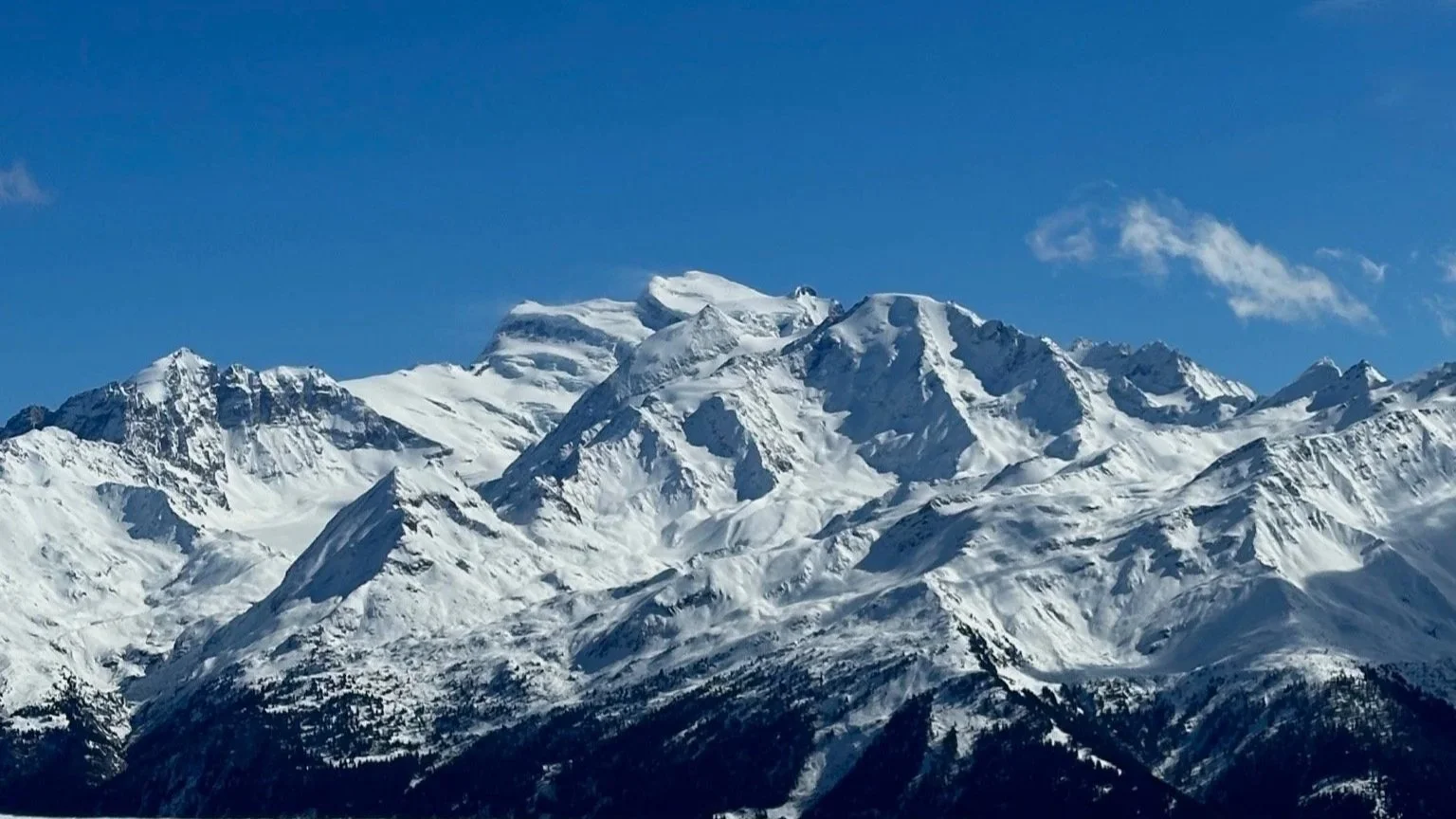
Alpine gin refers to gin that is shaped by high-altitude environments, where climate, water, and regional botanicals influence both production and flavour. Rather than being a formal category, alpine gin is best understood as a style defined by place.
These gins are typically produced in mountainous regions and reflect a preference for balance, freshness, and clarity over bold or experimental profiles.
The Influence of Altitude on Gin Production
Altitude affects spirits production in subtle but important ways. Cooler temperatures, cleaner air, and slower production rhythms tend to encourage precision and restraint rather than scale.
In alpine regions, distillers often work in smaller batches and prioritise consistency and control. This approach aligns naturally with gin styles that value structure and definition over intensity.
Alpine Water: A Defining Element
Water plays a central role in gin, both during production and at the point of serving.
In alpine regions, spring water is often prized for its purity and mineral balance. High-quality water can influence mouthfeel, dilution, and the overall impression of the spirit, contributing to a clean, precise character.
For alpine gin, water is not simply a technical requirement, but a defining part of the final profile.
Botanicals Shaped by Mountain Environments
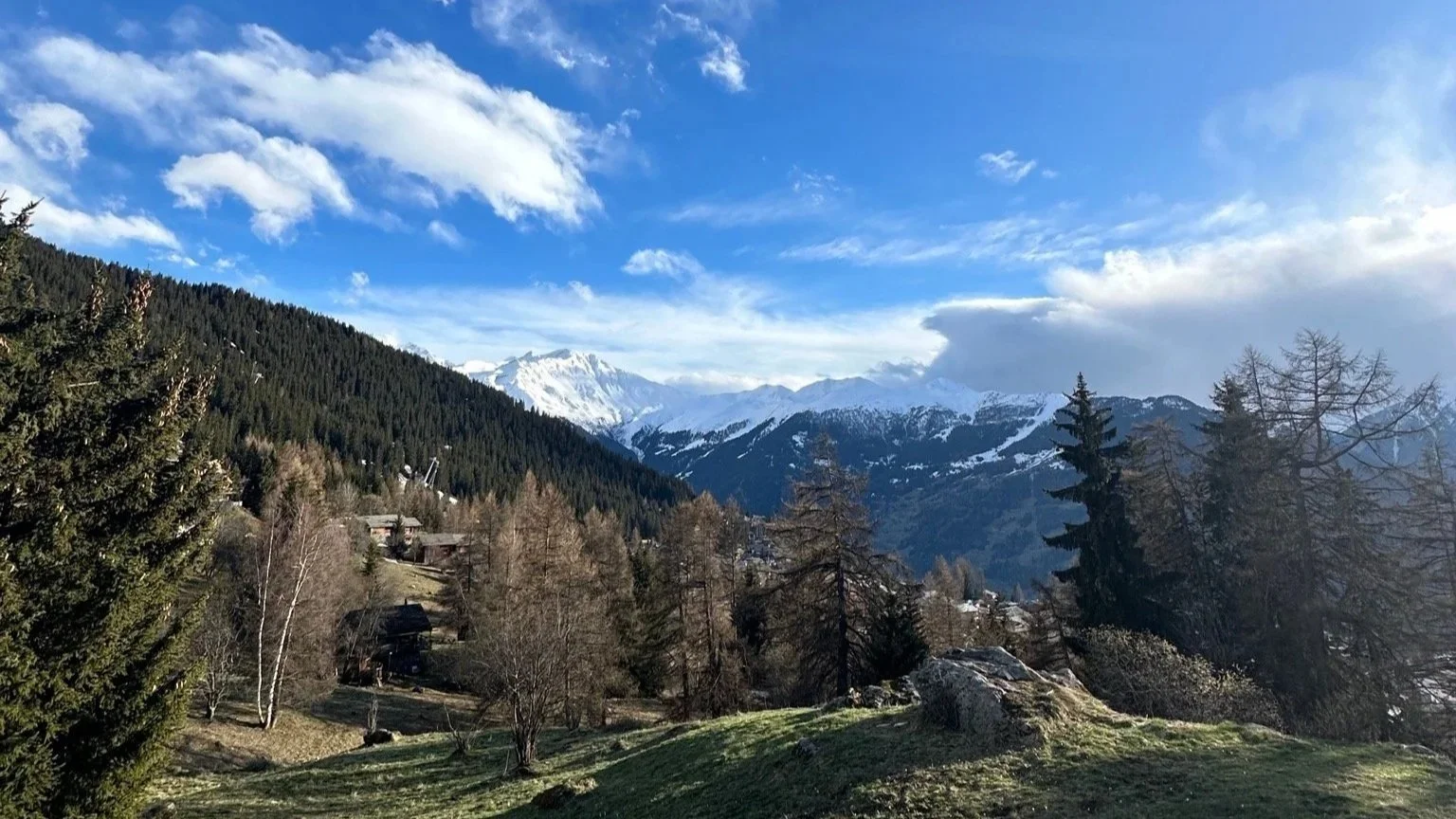
The alpine environment also influences the choice and character of botanicals used in gin.
Crafted with a blend of ten herbs and spices, including locally harvested Swiss verbena, alpine gins often favour herbal and floral notes, subtle bitterness, and dry, refined finishes rather than sweetness or overt intensity.
Some producers, such as VERBIER GIN, draw directly on their alpine surroundings, using regionally sourced ingredients to reflect both place and climate.
How Alpine Gin Differs from Other Gin Styles
Alpine gin contrasts with many mainstream gin styles in both intent and outcome.
Alpine GinMainstream Gin StylesInfluenced by altitude and climateInfluenced by trends or global flavour profilesEmphasis on balance and clarityEmphasis on boldness or noveltyOften small-batch productionFrequently scaled productionHerbal, dry, and refinedCan be sweet, citrus-forward, or experimental
The goal of alpine gin is not to stand out through intensity, but to remain coherent and considered from first sip to finish.
How Alpine Gin Is Typically Enjoyed
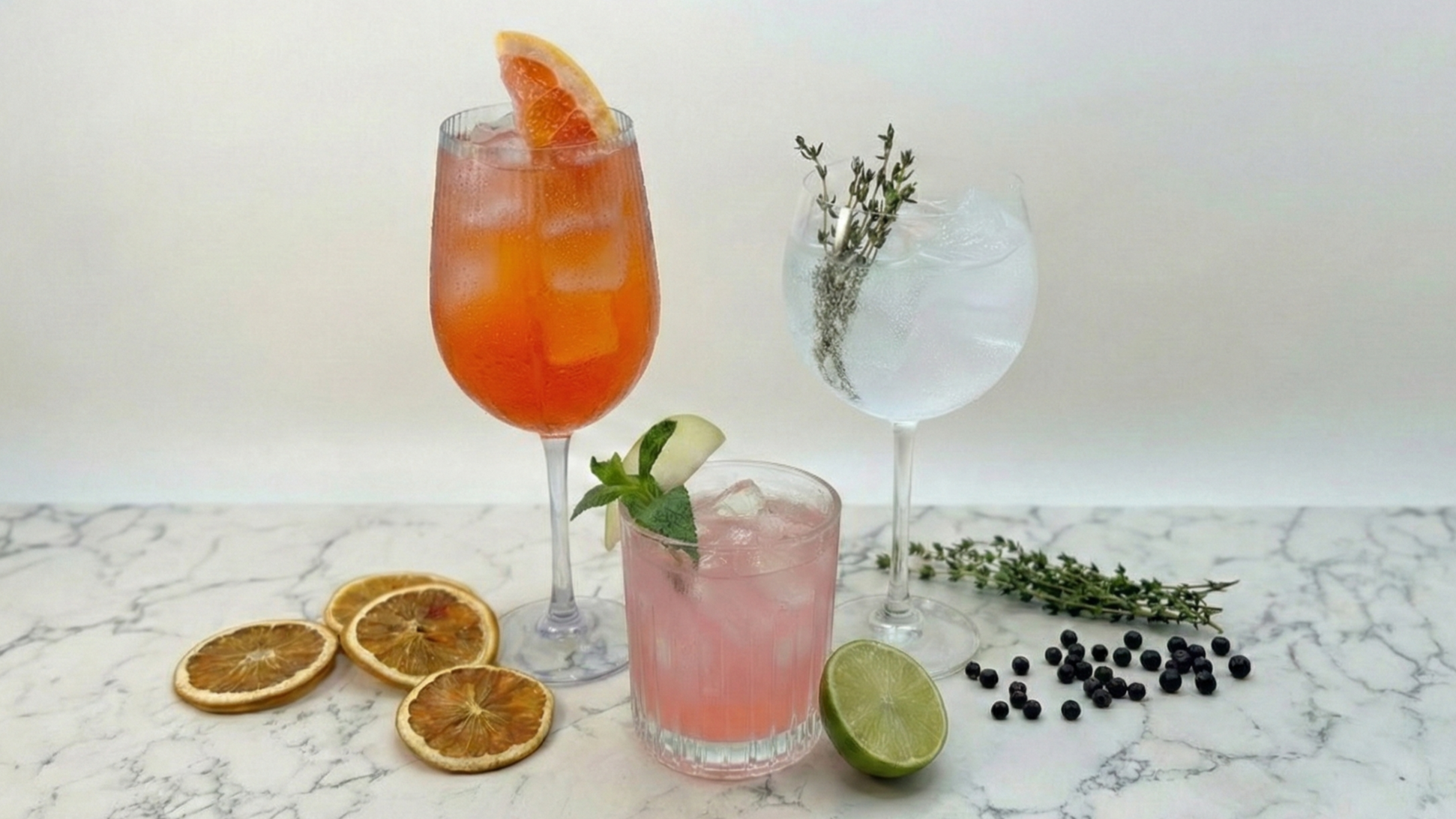
Alpine gin is usually designed for simple, understated serves.
Common approaches include:
Served with tonic or soda
Minimal garnish to preserve botanical clarity
Enjoyed as an apéritif rather than in complex cocktails
This reflects a broader European drinking culture, where context, moderation, and quality take precedence over spectacle.
Alpine Gin as an Expression of Place
At its core, alpine gin is an expression of where it is made.
From high-altitude water sources to regionally influenced botanicals and small-scale distillation, alpine gin reflects the values of mountain environments: clarity, balance, and precision.
Gins such as VERBIER GIN, distilled in Valais, Switzerland, exemplify how alpine conditions can shape a refined, place-led gin style.